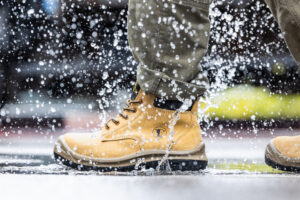
Looking for lightweight safety shoes for logistic sector and warehouse work in Singapore?
Discover the best options for long hours, comfort, and safety. Expert buying guide by KPR.
Warehouse workers in Singapore face a unique challenge — many warehouse workers in Singapore work 10–12 hour shifts in non-air-conditioned environments, making lightweight and breathable safety footwear especially important. Choosing the wrong safety shoes can lead to fatigue, discomfort, and even injury.
In this guide, we break down how to choose the best lightweight safety shoes for warehouse work in Singapore, what features matter most, and what to avoid.
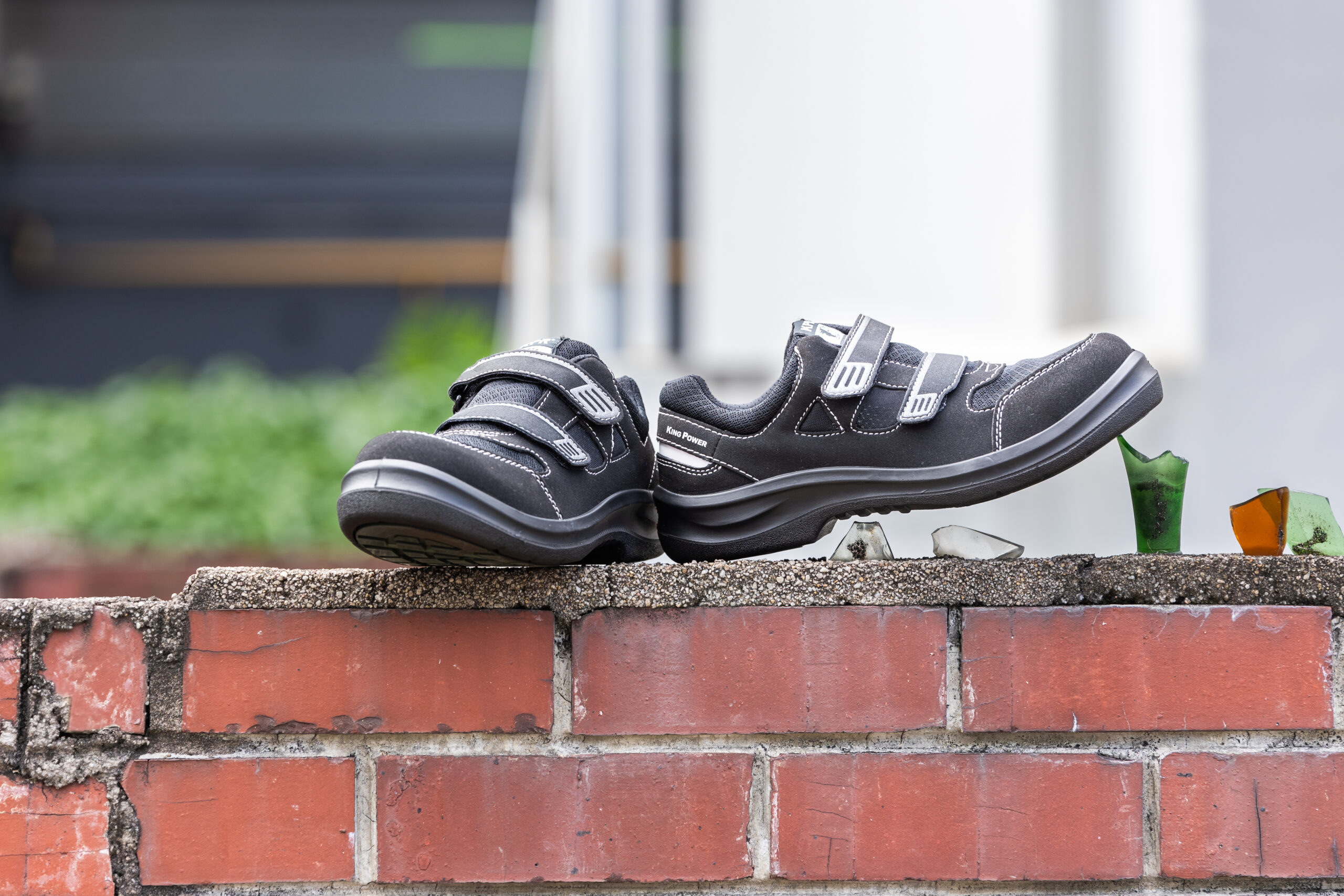
Why Warehouse Workers Need Lightweight Safety Shoes?
Unlike construction sites, warehouse environments require a balance of:
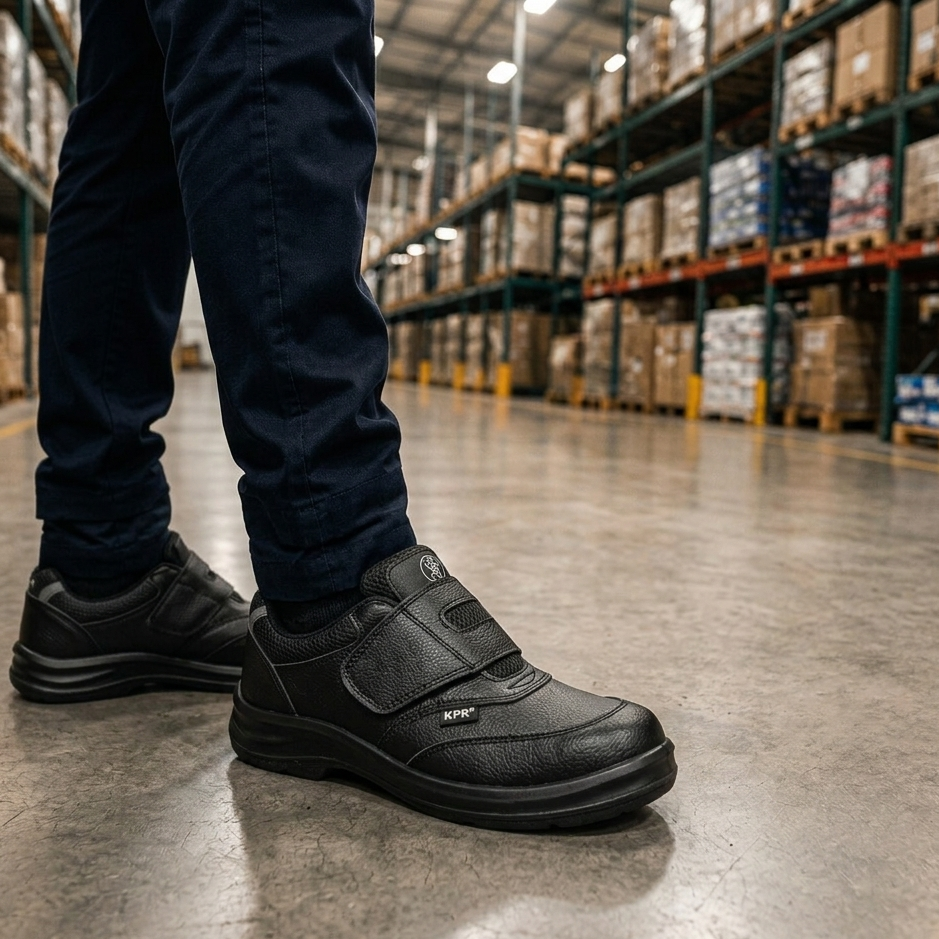
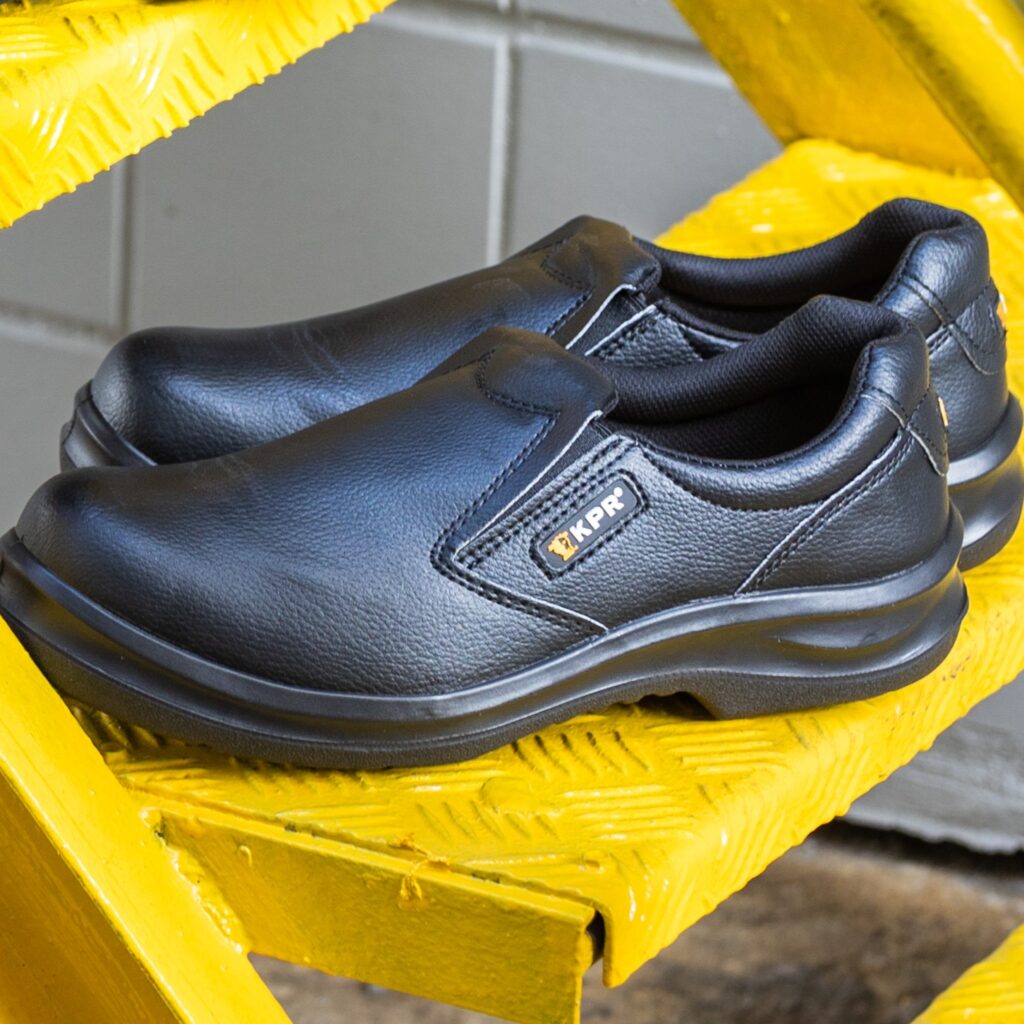
Recommended Safety Shoe Types for Warehouse Work
At KPR, we recommend:
 Lightweight Toe Safety Shoes
- Ideal for long hours
- Reduced fatigue
Low-Cut Safety Shoes
- Better flexibility
- Easier movement for indoor work
Anti-Slip Work Shoes
- Essential for smooth warehouse flooring
 You can explore our full range here: https://www.kprsafety.com.sg/products/
How Often Should You Replace Safety Shoes?
For warehouse workers in Singapore:
Replace every 6–12 months depending on usage
Replace earlier if:
- Sole loses grip
- Cushioning flattens
- Upper is damaged
Read more: https://www.kprsafety.com.sg/how-to-check-the-manufacturing-date-of-your-kpr-safety-footwear/
FAQ
1. Are lightweight safety shoes less safe?
No — modern materials like composite toe provide equal protection with less weight.
2. Are safety shoes mandatory in warehouses in Singapore?
In most workplaces, employers are required to provide proper PPE, including safety footwear, depending on risk assessment.
3. What is the best type of safety shoe for hot weather?
Lightweight, breathable shoes with mesh uppers and moisture control are best suited for Singapore’s climate.
Final Thoughts
The best safety shoes for warehouse workers in Singapore are not the heaviest — they are the most comfortable, breathable, and fit-for-purpose.
Choosing the right pair can:
Reduce fatigue
Improve safety
Increase daily productivity
Not sure which safety shoes suit your warehouse environment? Contact KPR for recommendations based on your industry, flooring conditions, and shift requirements.